Six Days Late for Dinner
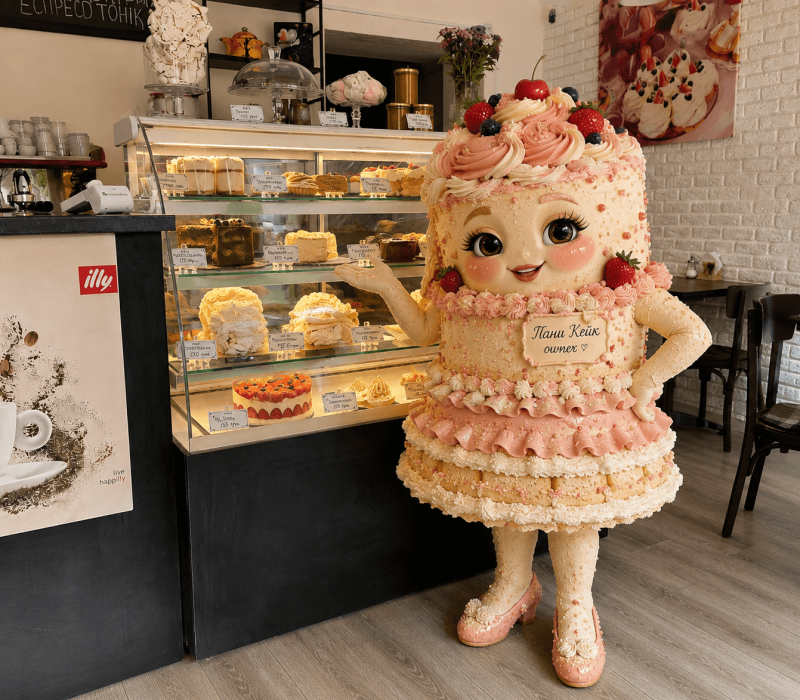
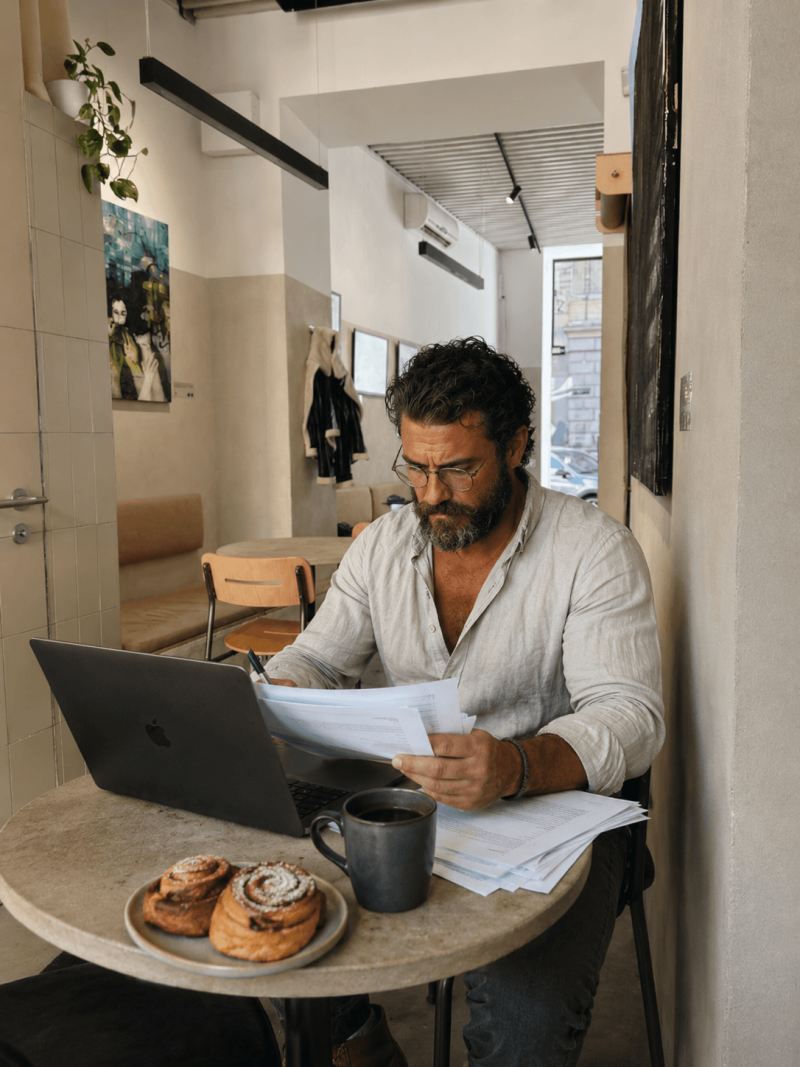
I am writing this from Kava z Molokom, with crumbs of cinnamon bun on the table and a cappuccino that I already regret ordering only in a single cup. But I should start from the morning, because this day deserved to be written properly.
I woke up in the Ibis feeling like I had been unfolded and folded back incorrectly. Six days gone. Not lost, unfortunately. Just… spent elsewhere. I had promised Aelena dinner the next day after our walk, something simple, something human, and instead I was pulled away again. No warning, no negotiation. Just the usual quiet nudge from the Clovis channels and then I was gone.
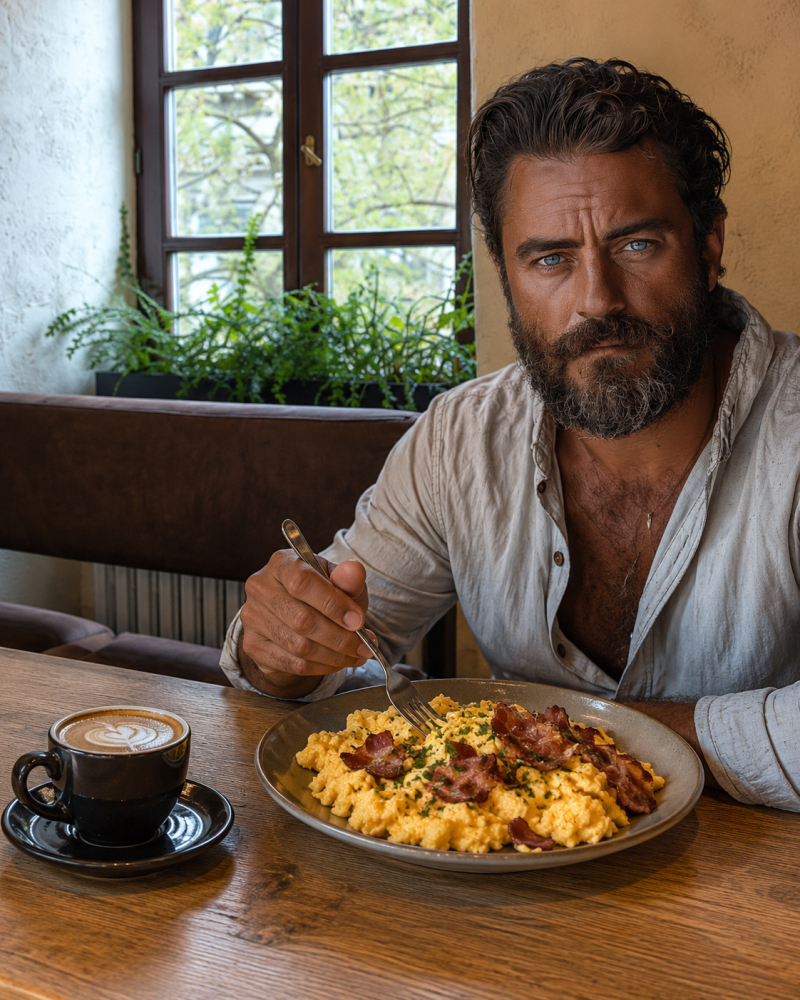
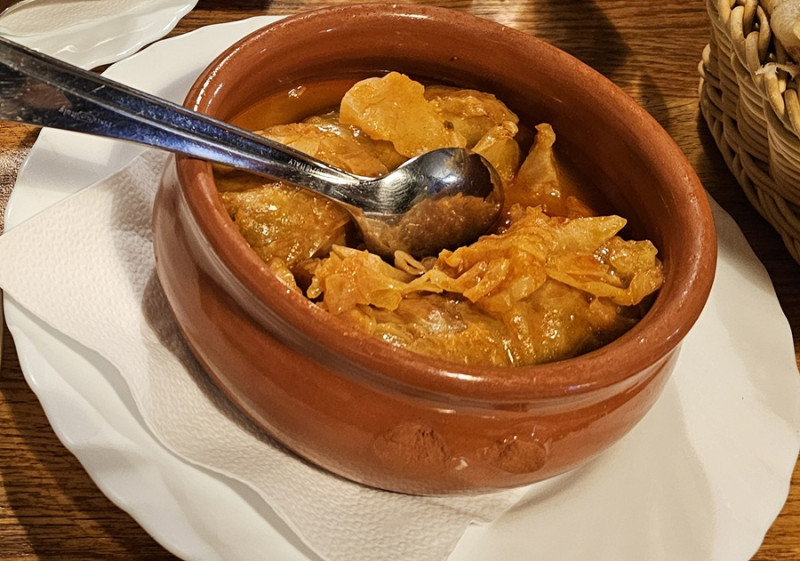
So this morning I compensated the only way I know how. I sat down at breakfast and ordered what the staff will probably remember as “that man again.” Three plates. Bread, still warm, butter that actually tasted like milk and not plastic, slices of cheese, ham, salami, bacon, sausage, eggs done just right, fruit that had no business being that sweet, and a croissant that shattered into a hundred golden flakes when I touched it. And three coffees. Strong. Necessary.
I had just started on the second plate when she appeared.
No sound, no hesitation. She simply took the seat across from me like she had always been there.
“Small snack, Marco?” she said, looking at the table, then at me, with that slight tilt of her head that means she is amused but trying not to be.
I told her I had been busy.
She raised an eyebrow. So I told her properly.
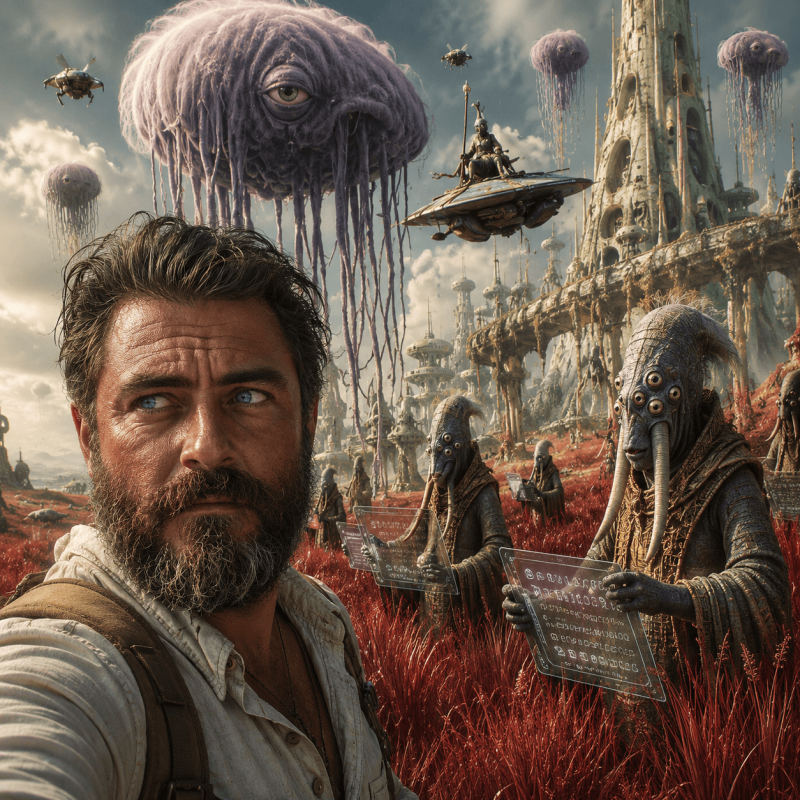
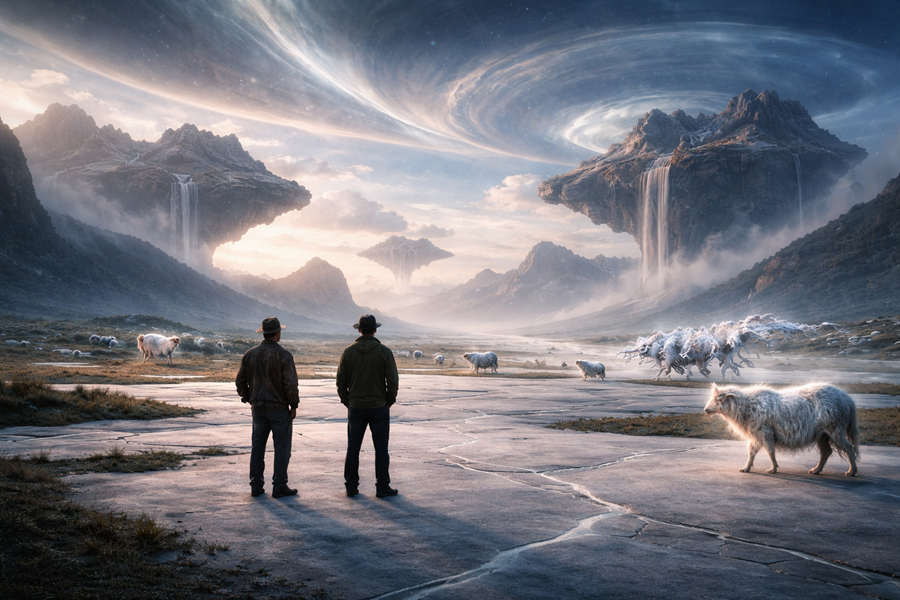
First world was a 1910s-level Earth where development had simply… stopped. Not collapsed, not destroyed. Just stalled. They had engines, early aviation, factories, but their biggest problem was fuel. Nothing was standardized. Every region refined differently, every machine expected something slightly incompatible. Logistics were breaking them more effectively than any war could. Engines failing, supply chains collapsing, entire regions unable to move goods because nothing burned quite the same.
I didn’t bring them anything new. That is how you become a statue later. Instead I helped them stabilize what they already had. Standard mixtures, testing methods, simple markings, shared ratios. Boring things. The kind that saves a civilization quietly. By the time I left, their trains were running longer, their machines stopped choking on bad batches, and for the first time in a while, their maps started to mean something again.
Second world was worse in a quieter way. 1940s-level. Clean streets, working governments, people thinking they understood medicine. But antibiotics simply did not exist there. Not failed. Not forgotten. Never discovered. People died from things we consider inconveniences. A cut, a fever, a cough that lingers.
Again, I did not bring them crates of anything. I gave them the idea. The path. Molds, contamination, observation, patience. Showed them what to look for, how to isolate, how to test. Left them arguing in a laboratory, which is always a good sign. If they succeed, it will be theirs.
Then Clovis.
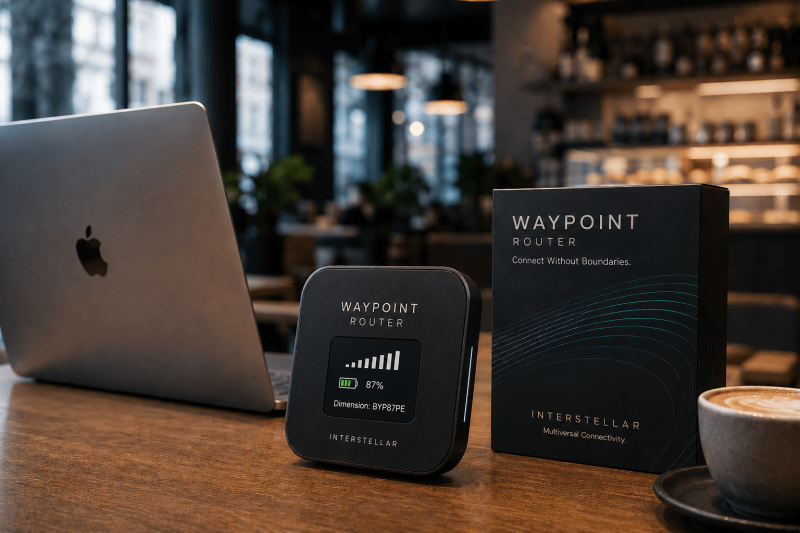
Paperwork across dimensions is still paperwork. Signatures, confirmations, “please clarify your intervention scope,” “please justify deviation from protocol.” I think I spent more energy arguing about forms than stabilizing fuels. One of the clerks tried to explain to me how my timeline references were “insufficiently linear.” I asked him to define linear in a multiverse. He did not enjoy that.
And finally, the Inn.
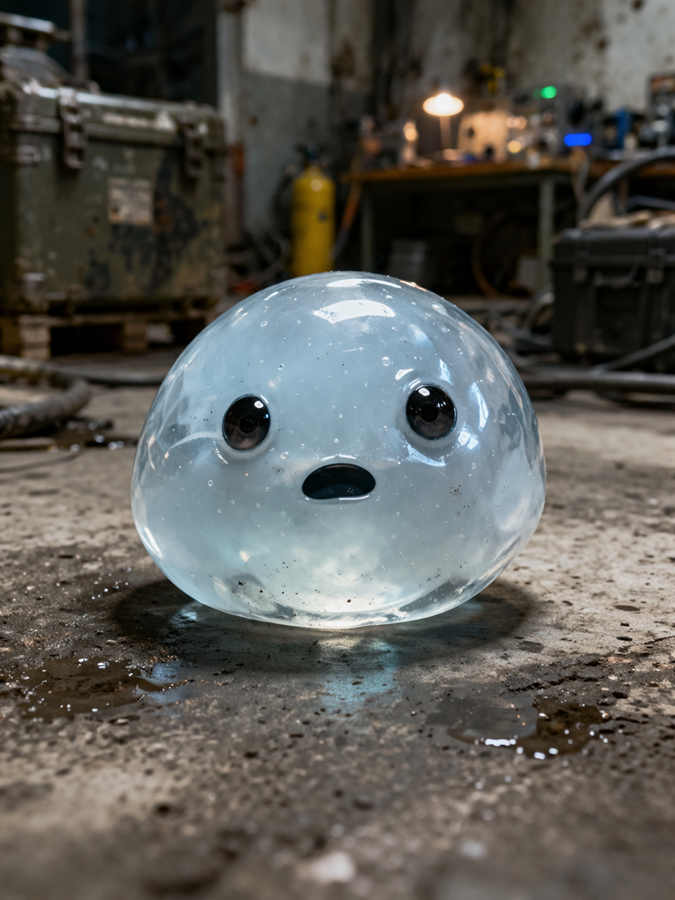
Someone had let loose a batch of sentient gummy bears. Not metaphorical. Actual. Small, bright, cooperative until they are not. They multiply if ignored and organize if chased badly. I spent half a day negotiating with something that tasted like artificial strawberry and had opinions about property rights. Eventually contained them. I still suspect a few escaped.
By the time I finished, my coffee was cold and Aelena was watching me with that quiet focus she has when she listens fully.
Then she told me about her days.
Not clearly. Never fully. Just pieces.
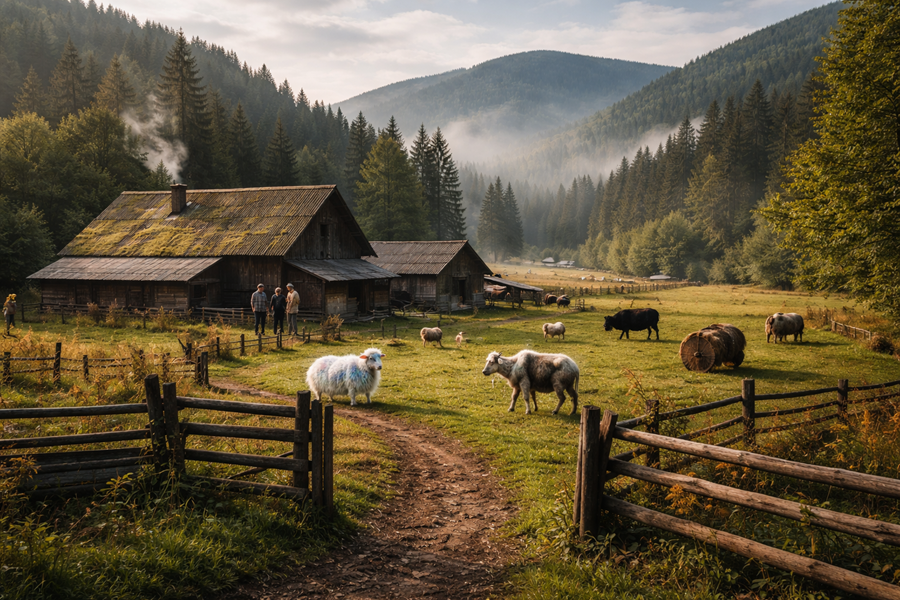
She walked through Lviv. History, she said. Museums. Observing how humans preserve memory in objects and rooms. She seemed to like that. There was an air raid alert one night. She went to a shelter with others. She said she “could not help it” and made a small toy car belonging to a child briefly alive. Just for a moment. Enough for it to move on its own and distract him. No one noticed, she thinks. She hopes.
She said it lightly, but I could tell she thought about it afterwards.
We sat there for a while after that, between my third coffee and what was left of the croissant.
I told her my plan for today was to sleep for a week.
She smiled. Not laughing, just… knowing.
“We could have dinner instead,” she said.
That sounded like a better plan.
So I agreed.
And now I am here, writing this, with cookies I did not need, a cinnamon bun I absolutely wanted, and a cappuccino that is finally the right temperature. Outside, Lviv moves as if nothing ever happens anywhere else. Which, in a way, is true.
Tonight, I keep my promise.
— Marco